Real-Time Sales Execution is rapidly emerging as the new KPI for CPG leaders across high-velocity markets. Traditional KPIs—sales targets, numeric distribution, and market share—still matter, but they no longer provide leaders with the confidence or control required in today’s high-velocity markets.
Increasingly, executives are asking a more fundamental question: Are we executing correctly right now?
This is why real-time sales execution is becoming the new KPI for CPG and F&B leaders. In fast-moving, distributor-led markets, lagging indicators fail to surface issues early enough to protect revenue, margins, and brand equity. By the time problems appear in monthly reports, the opportunity to act has often passed.
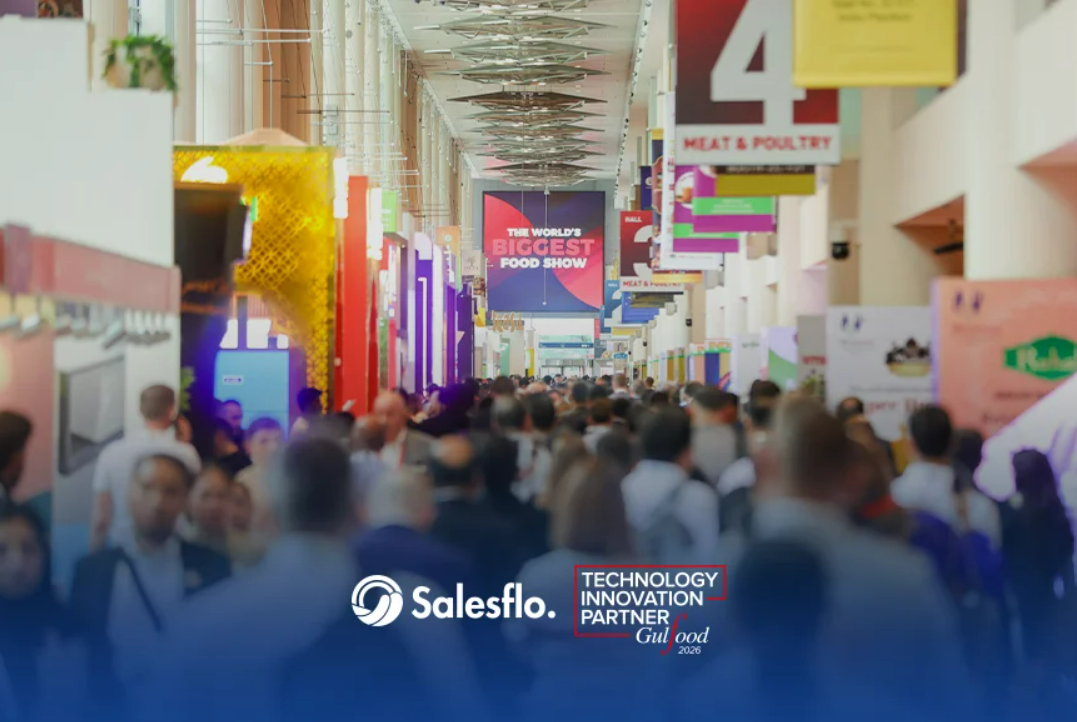
As Gulfood 2026 unfolds, this shift toward execution intelligence is at the center of industry conversations -bringing AI, real-time visibility, and actionability into the spotlight.
Why Traditional CPG KPIs Are Losing Relevance Lagging Indicators in a High-Velocity Market
Most CPG and F&B KPIs are designed to measure outcomes after execution has already occurred. Metrics such as revenue growth, volume achievement, and market share are inherently retrospective.
While useful for performance reporting, they offer limited value when leadership teams need to intervene quickly to prevent revenue leakage or execution failure. In today’s competitive environments, leaders require KPIs that reflect current execution quality, not historical performance.
The Illusion of Control Through Periodic Reporting
Even sophisticated dashboards can create a false sense of security. Targets may appear on track while critical execution gaps persist on the ground, such as:
- Stock-outs at high-priority outlets
- Poor in-store promotional compliance
- Field visits that fail to translate into real execution impact
This disconnect between reported performance and market reality is one of the most significant structural risks facing CPG organizations today.
When Targets Are Met Despite Weak Execution
In some cases, topline targets are achieved despite inefficient execution – often driven by strong demand, price promotions, or short-term trade incentives.
Over time, this masks deeper issues. Margins erode, brand presence weakens, and organizations become increasingly dependent on reactive tactics instead of disciplined execution.
What CPG Leaders Mean by “Real-Time Sales Execution” From Outcome Tracking to Action Visibility
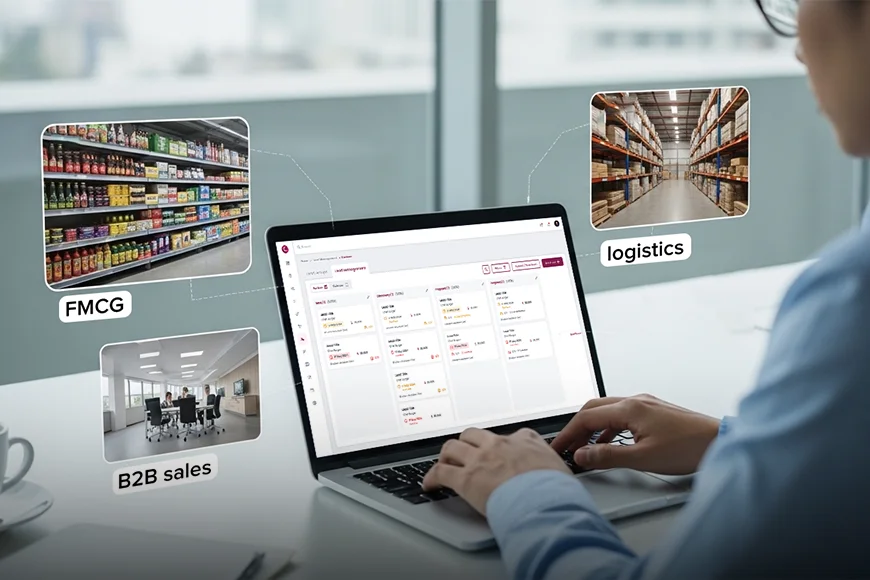
Real-time sales execution is not about faster reporting cycles. It is about visibility into actions as they happen – including store visits, order placement, shelf availability, pricing, and promotional compliance.
This shift enables leaders to measure what teams and distributors are doing today, rather than analyzing what happened weeks ago.
Execution at the Store, Not Just the Dashboard
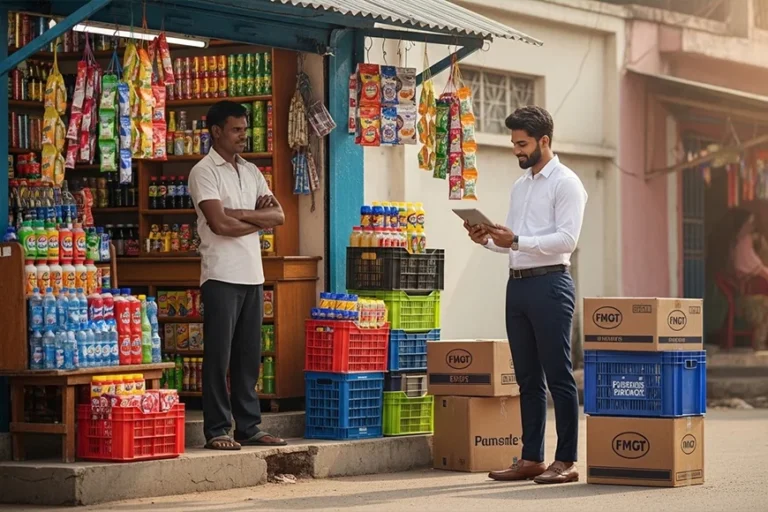
Execution lives at the last mile. Real-time sales execution ensures leadership teams can see what is happening across:
- Individual outlets
- Routes and territories
- Distributor operations
Decision-making moves closer to operational truth, reducing reliance on assumptions and delayed summaries.
Speed vs. Responsiveness
Speed is acting quickly. Responsiveness is acting correctly, based on live signals.
Real-time sales execution enables both – allowing organizations to intervene with precision instead of reacting after the damage is done.
Why Real-Time Sales Execution Is Emerging as a Leadership KPI
Execution Consistency at Scale
As CPG organizations scale across regions, channels, and distributor networks, maintaining consistent execution becomes increasingly complex.
Real-time sales execution provides a measurable way to ensure standards are followed – regardless of geography, route, or partner.
Faster Decisions, Lower Revenue Leakage
Stock-outs, pricing errors, and failed promotions represent direct revenue leakage. When identified late, they are expensive to fix. When identified in real time, they are manageable.
Increasingly, leaders are measuring how quickly execution issues are detected and resolved, not just how often they occur.
Accountability Across Distributors and Field Teams
Real-time sales execution introduces clarity. With a shared, live view of execution:
- Discussions shift from opinions to evidence
- Accountability improves across distributors and sales teams
- Collaboration becomes data-driven
It is no coincidence these themes are gaining prominence at executive forum – especially Gulfood 2026, where execution intelligence is now a core discussion topic.
The Role of AI in Enabling Real-Time Sales Execution
AI as an Execution Intelligence Layer
AI transforms raw execution data into prioritized intelligence. Instead of reviewing static reports, leaders receive alerts that highlight risks and opportunities while there is still time to act.
Predictive Alerts Over Reactive Reporting
Modern AI systems detect patterns that precede execution failures—such as declining SKU velocity or inconsistent distributor behavior.
This enables leaders to intervene proactively, rather than responding after revenue is impacted.
Agentic AI and Autonomous Decision Support
Agentic AI takes execution of intelligence further by recommending—or even triggering—actions automatically.
This reduces dependence on manual escalation, ensuring faster and more consistent responses across large, distributed CPG organizations.
Why CPG Leaders in the GCC Are Leading This Shift
High Outlet Density and Execution Complexity
GCC markets are defined by dense retail networks, intense competition, and rapid demand shifts. These conditions reward leaders who can see and act in real time—and penalize those who rely on delayed information.
Distributor-Led Models Require Live Visibility
With distributors playing a central role in execution, real-time visibility becomes essential for maintaining control without micromanagement.
Alignment With Regional AI Agendas
National AI strategies across the UAE and Saudi Arabia are accelerating adoption across industries. For CPG leaders, real-time execution is a practical, high-impact AI use case aligned with broader digital transformation goals.
Salesflo at Gulfood 2026: Turning Real-Time Sales Execution into a Leadership KPI
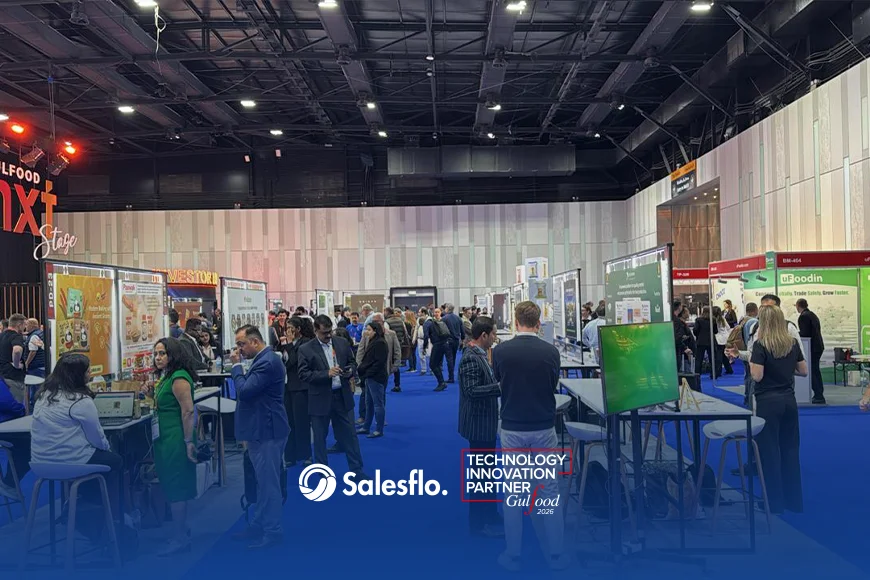
As the Technology Innovation Partner at Gulfood 2026, Salesflo is shaping how CPG leaders measure and manage execution.
By delivering AI-powered visibility, predictive insights, and distributor intelligence, Salesflo helps organizations move from lagging indicators to live execution control—exactly what modern CPG leadership now demands.
These concepts are being explored in depth at Gulfood 2026, where Salesflo’s leadership will showcase how AI-driven platforms, agentic AI, and supply chain technology empower CPG leaders to measure and act on execution in real time.
Yasir Memon‘s Keynote: “The Case for Agentic AI in Driving Growth for the F&B Sector” will highlight practical applications of agentic AI, demonstrating how CPG and F&B organizations can unlock faster, smarter decision-making and sustainable growth across complex distribution networks.
Conclusion: The KPI That Will Define CPG Leadership in 2026
Why real-time execution is becoming the new KPI for CPG and F&B leaders comes down to one simple truth: you cannot manage what you cannot see in time.
As Gulfood 2026 continues, the leaders who succeed are those who measure execution when it matters, not after it’s too late.
Execution intelligence is no longer an operational metric.
Real-time execution is now a leadership KPI.